

Laboratory for Telecommunication Networks
The Laboratory for Telecommunication Networks supports education in telecommunication protocols, network technologies, switching systems, and packet node architectures. Its role is to connect theoretical knowledge with a practical understanding of telecommunication systems, from data exchange between network devices to the implementation of functions within an individual node.
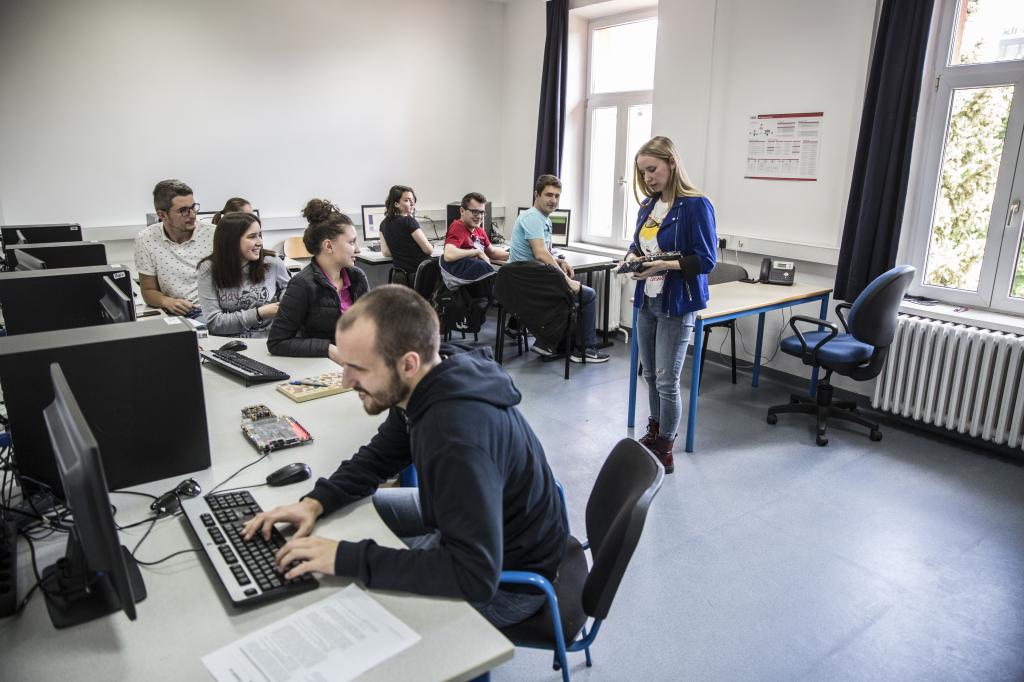
Through laboratory activities, students explore the principles of packet transmission, switching, and routing, and the role of protocols in enabling communication. By configuring network equipment, conducting experiments, and analysing results, they learn to relate network settings to observed system behaviour. Particular attention is given to understanding how the functions of individual devices contribute to the operation of the network as a whole.
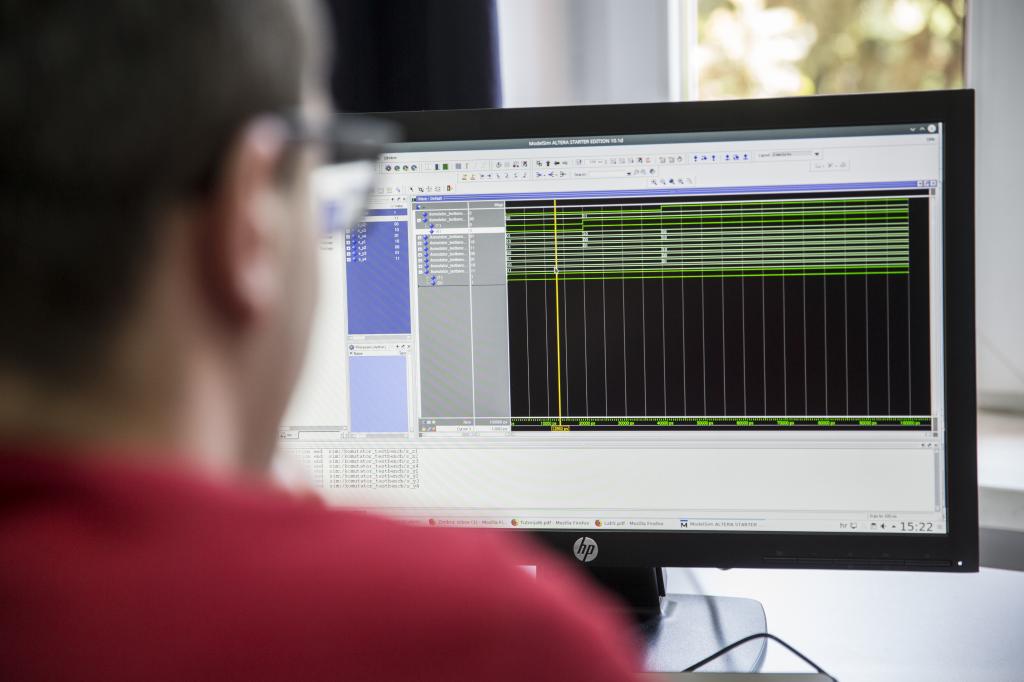
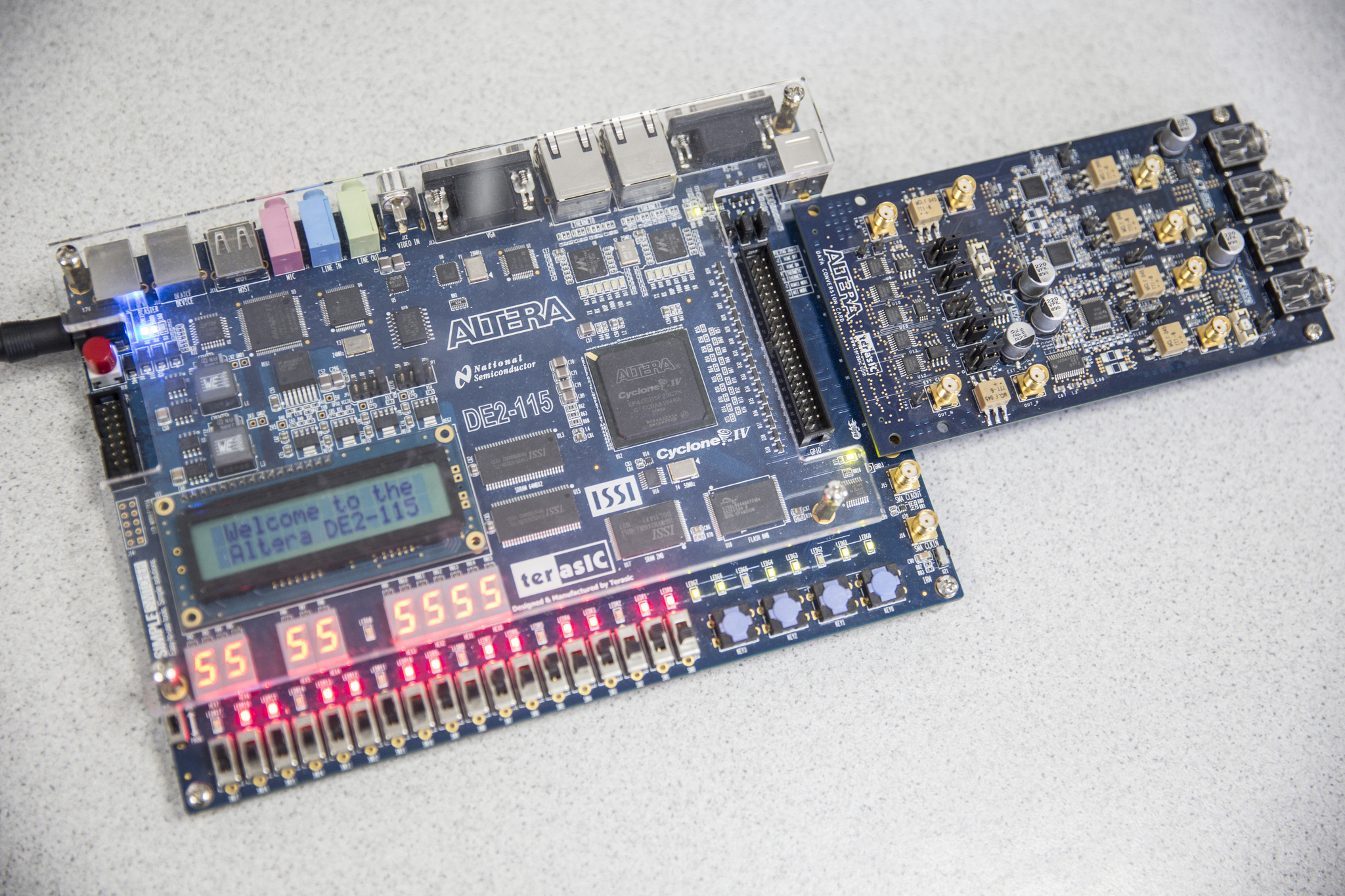
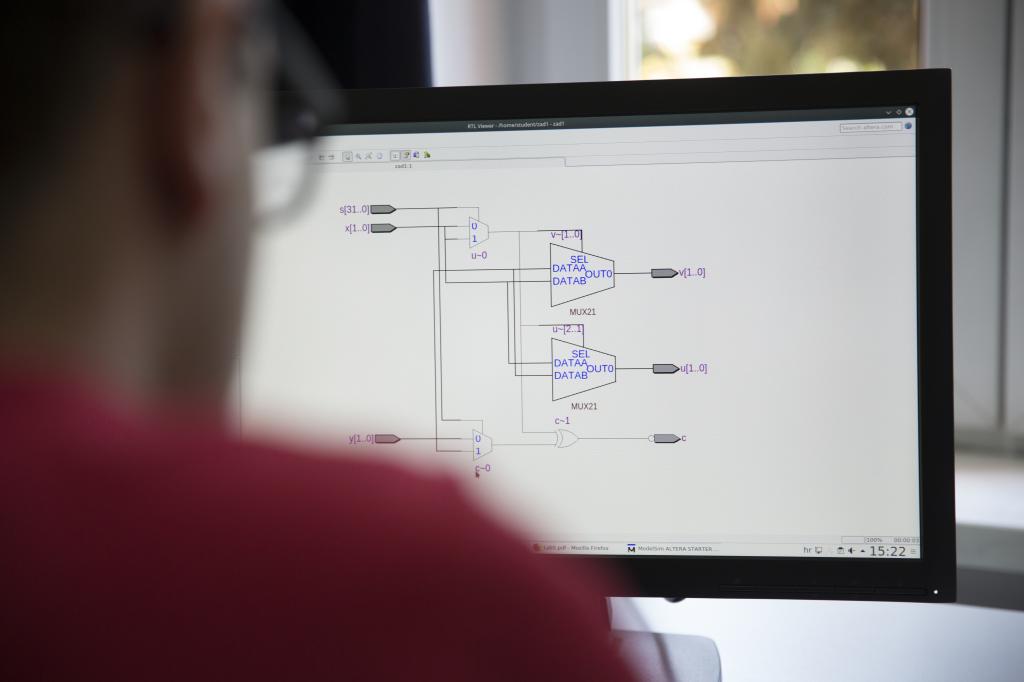
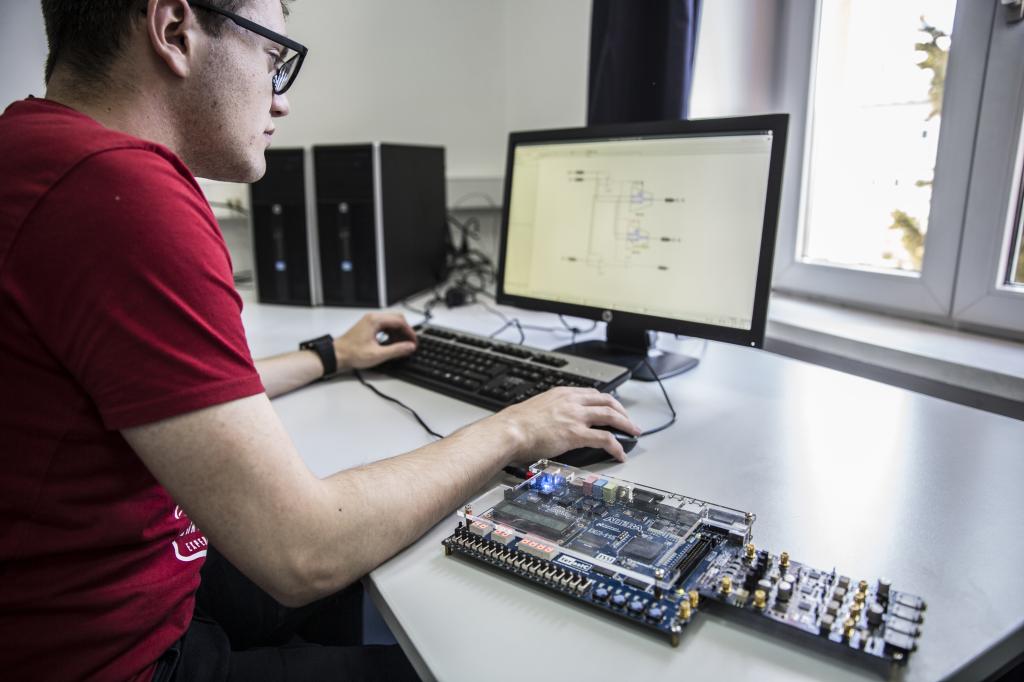
In the area of packet node architectures, the laboratory introduces the basic functions of packet reception, processing, buffering, and forwarding. Students gain experience with hardware description languages, register-transfer level (RTL) simulation, and FPGA development boards. This allows them to follow the development of basic node functions from functional requirements through hardware description and simulation-based verification to implementation and hardware testing.
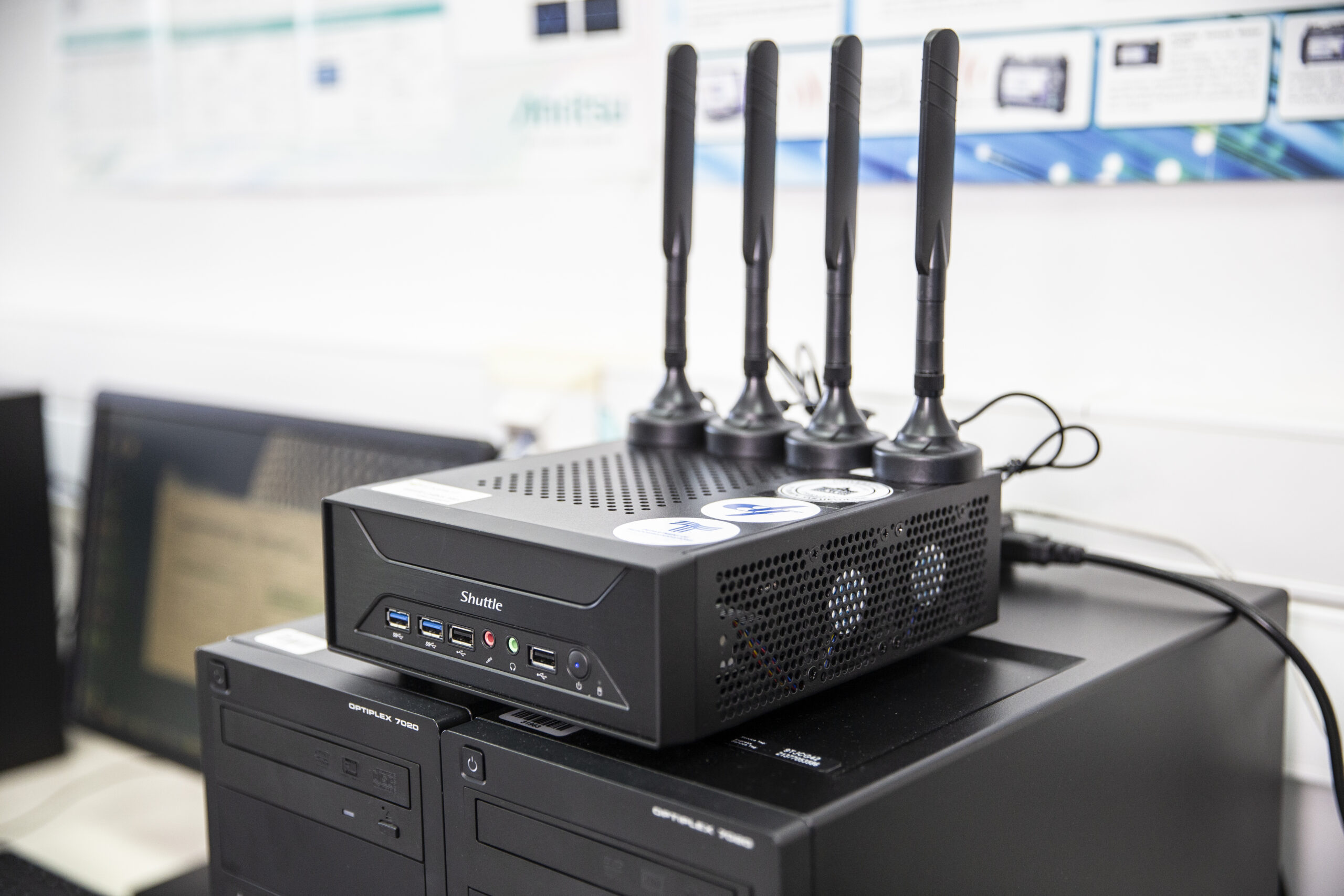
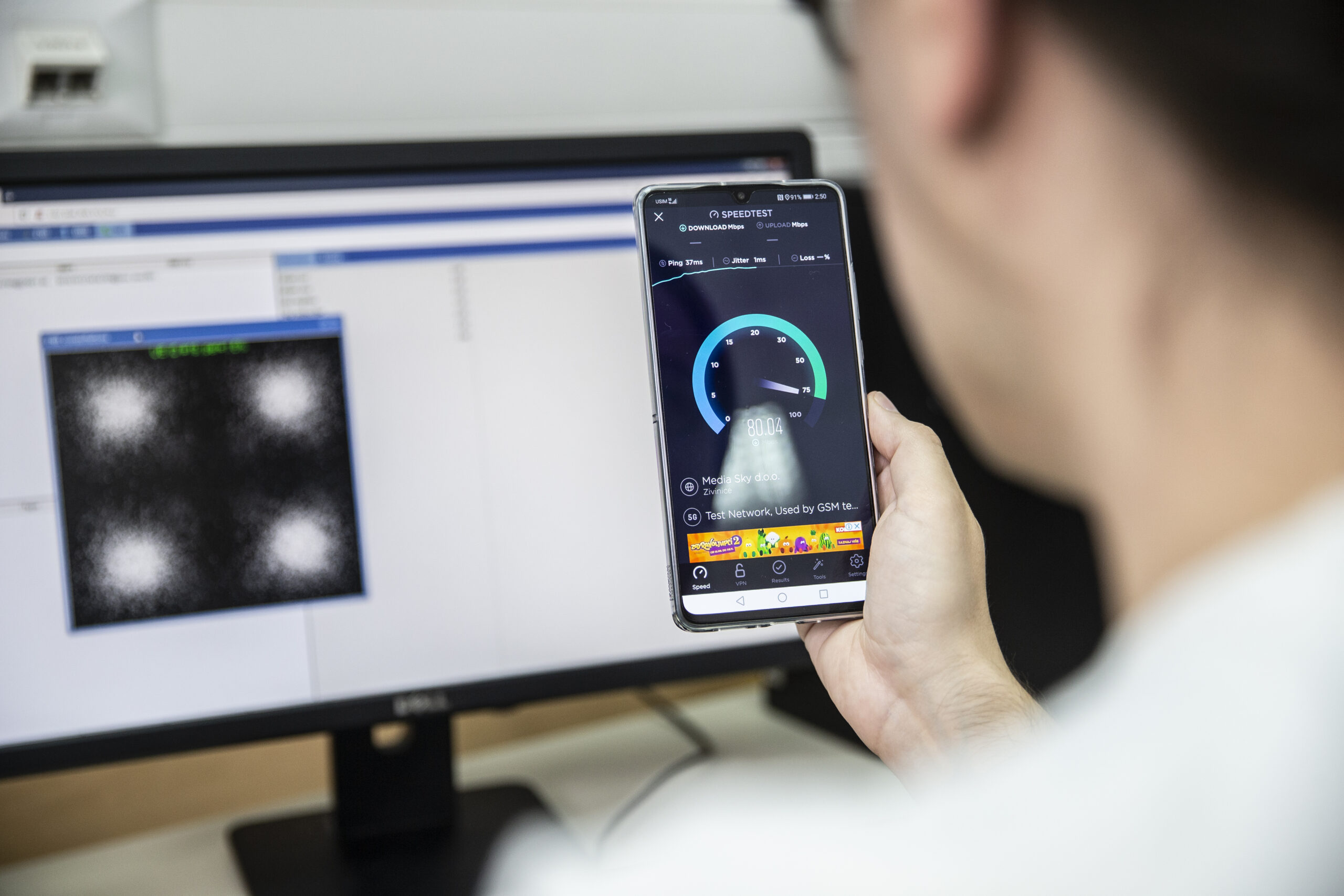
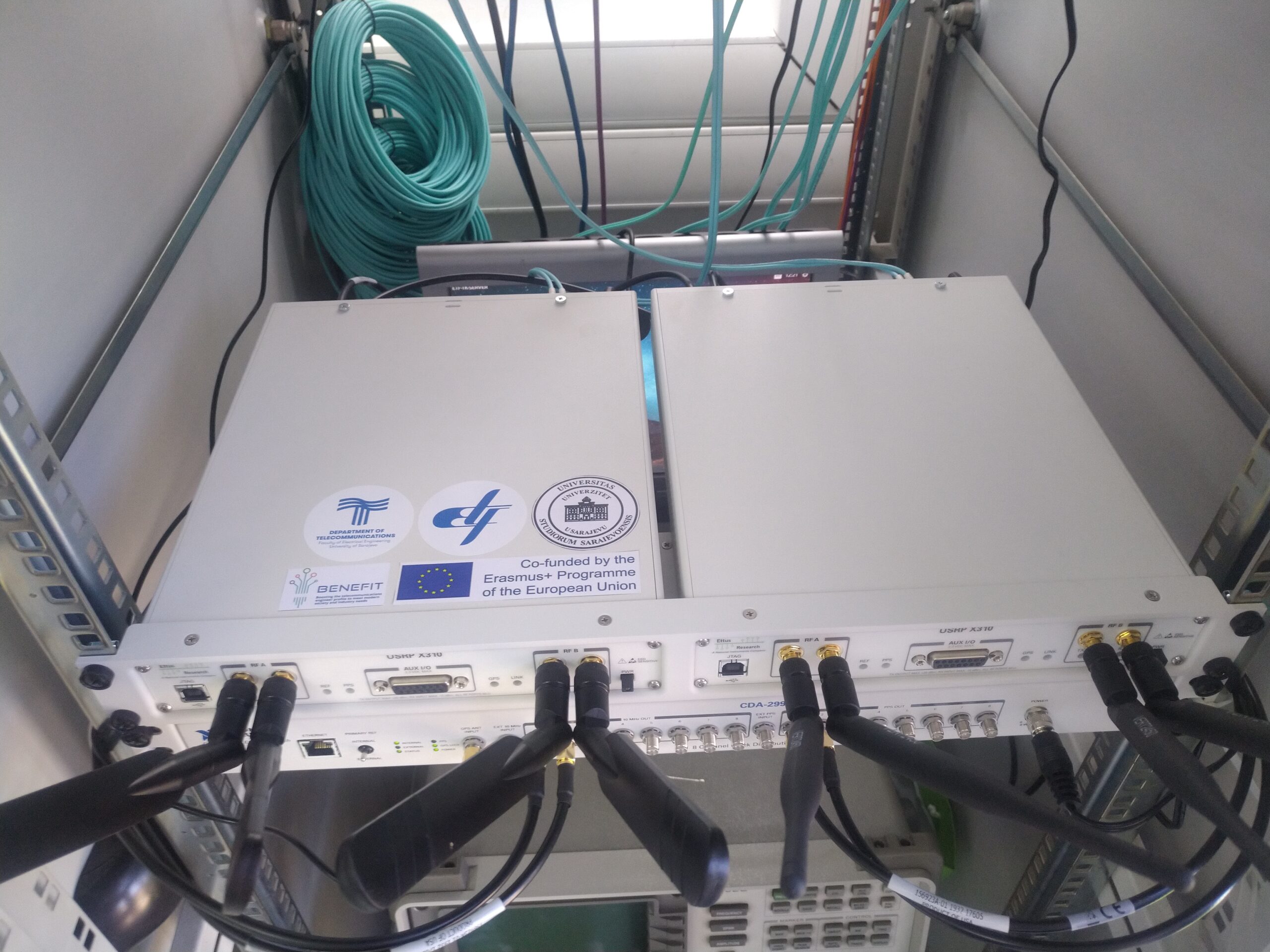
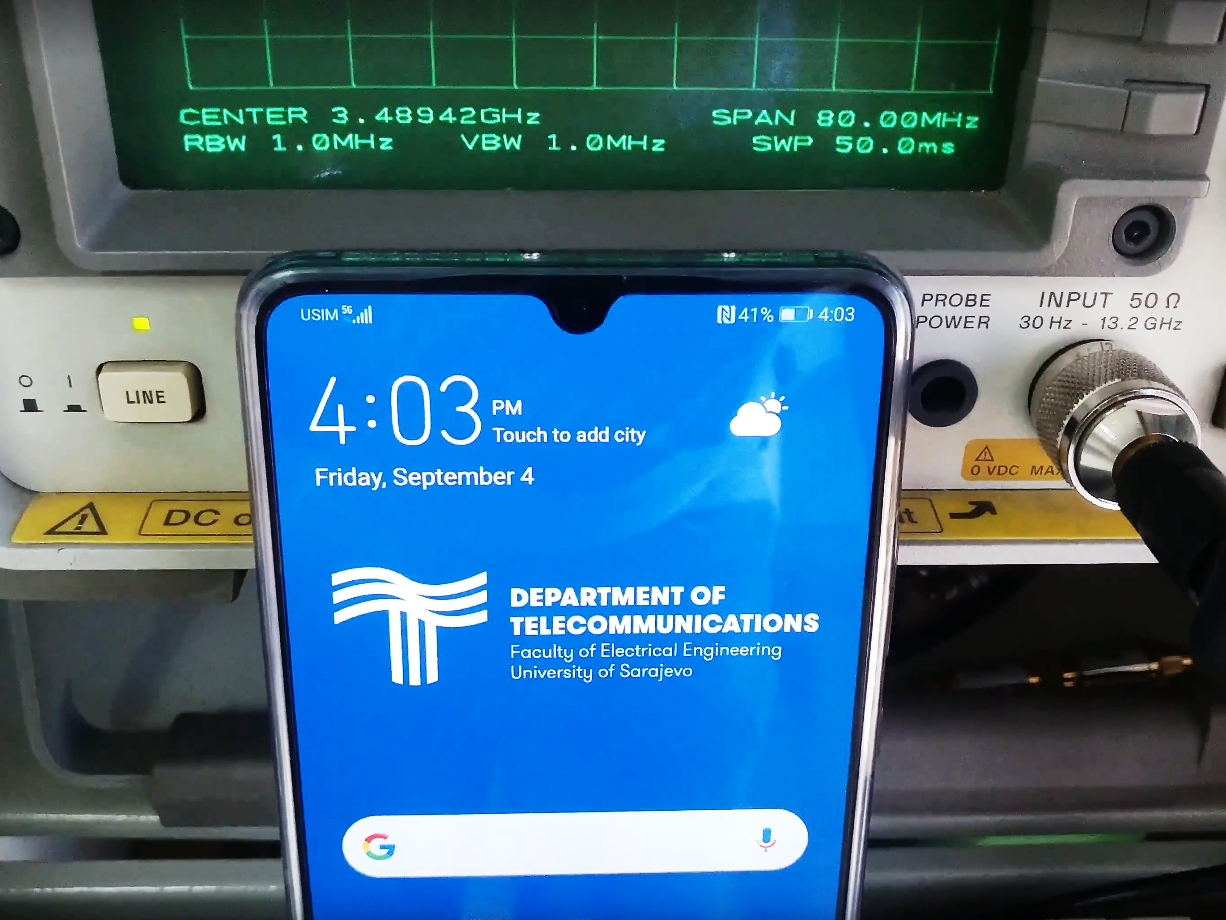
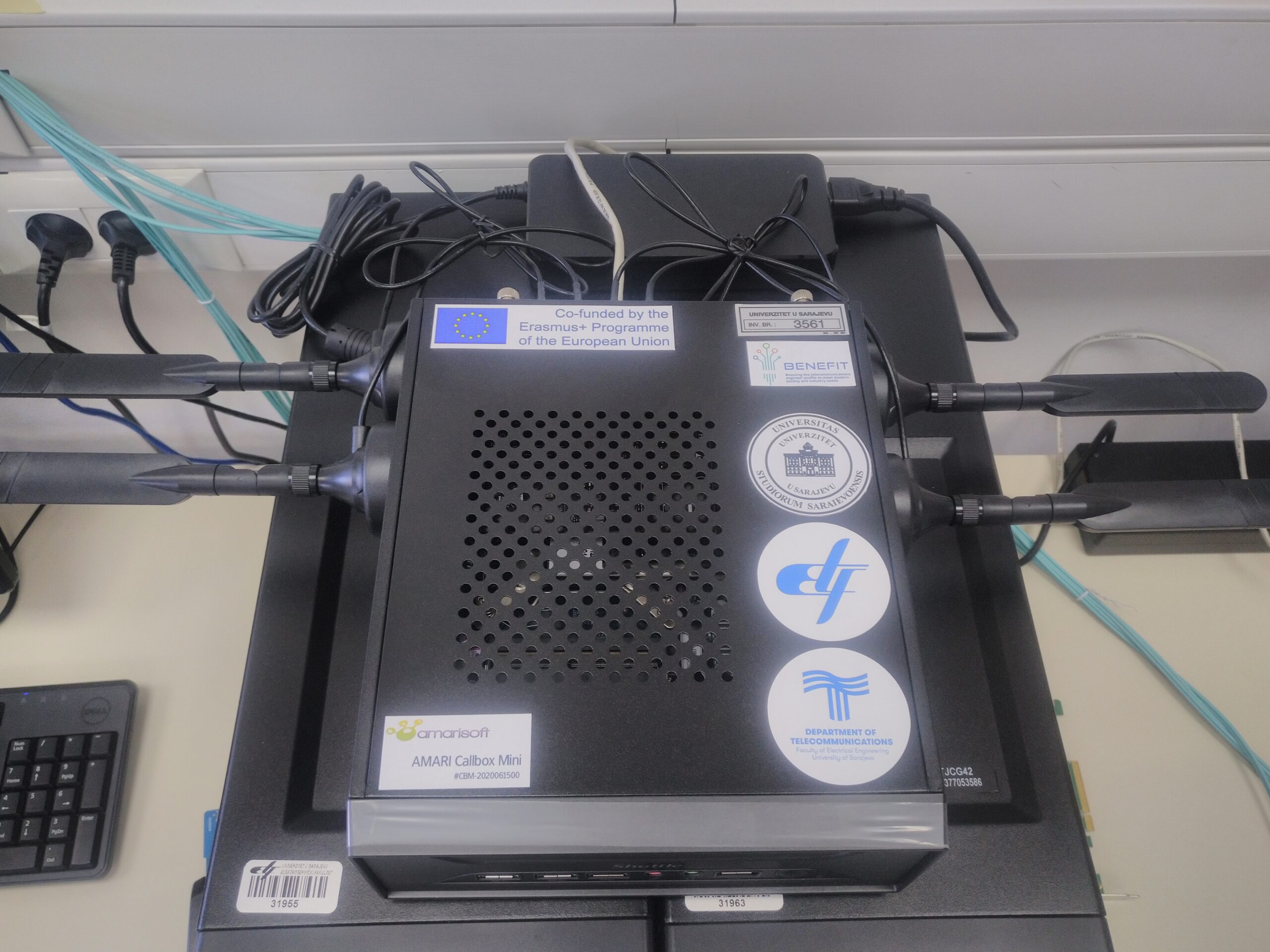
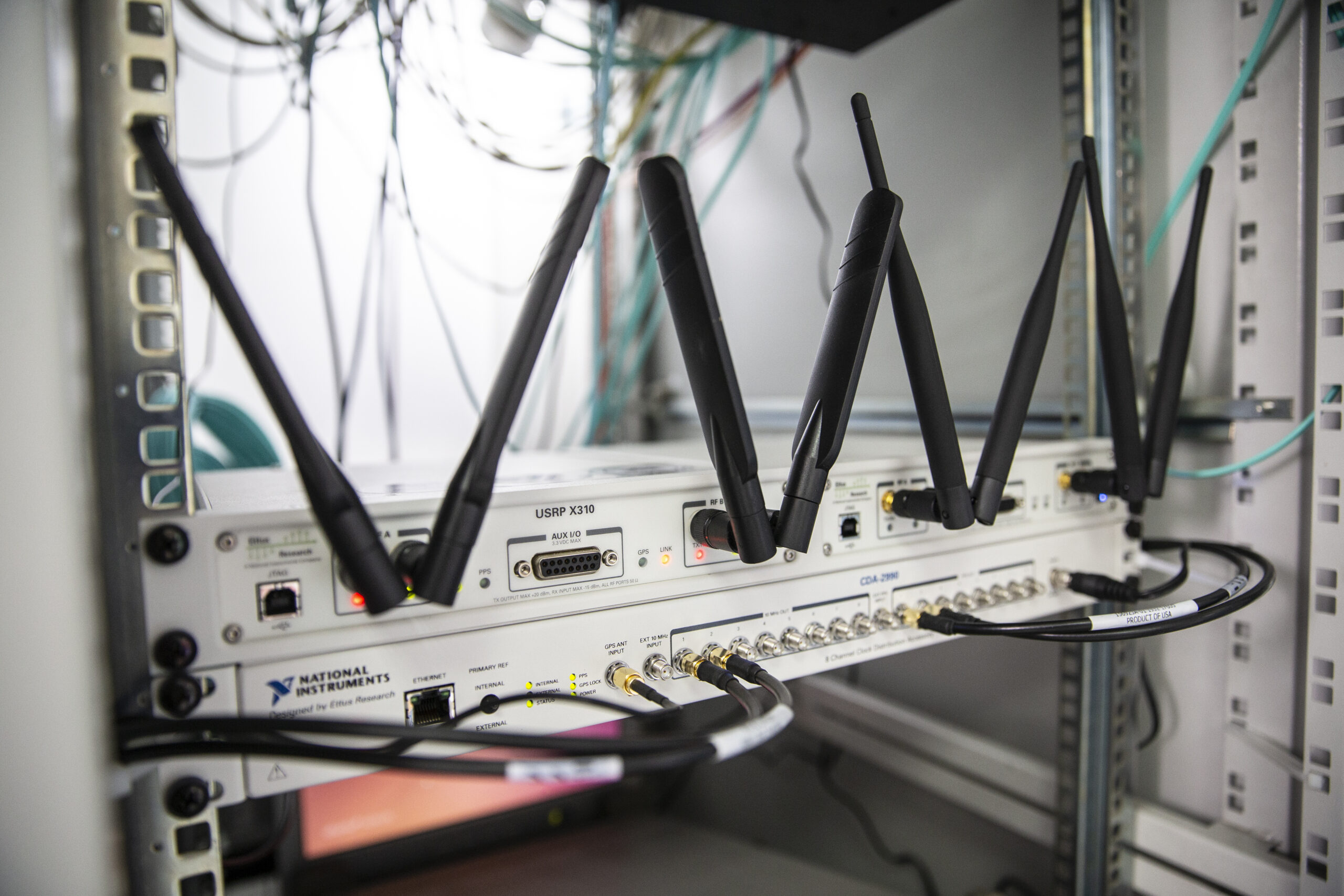
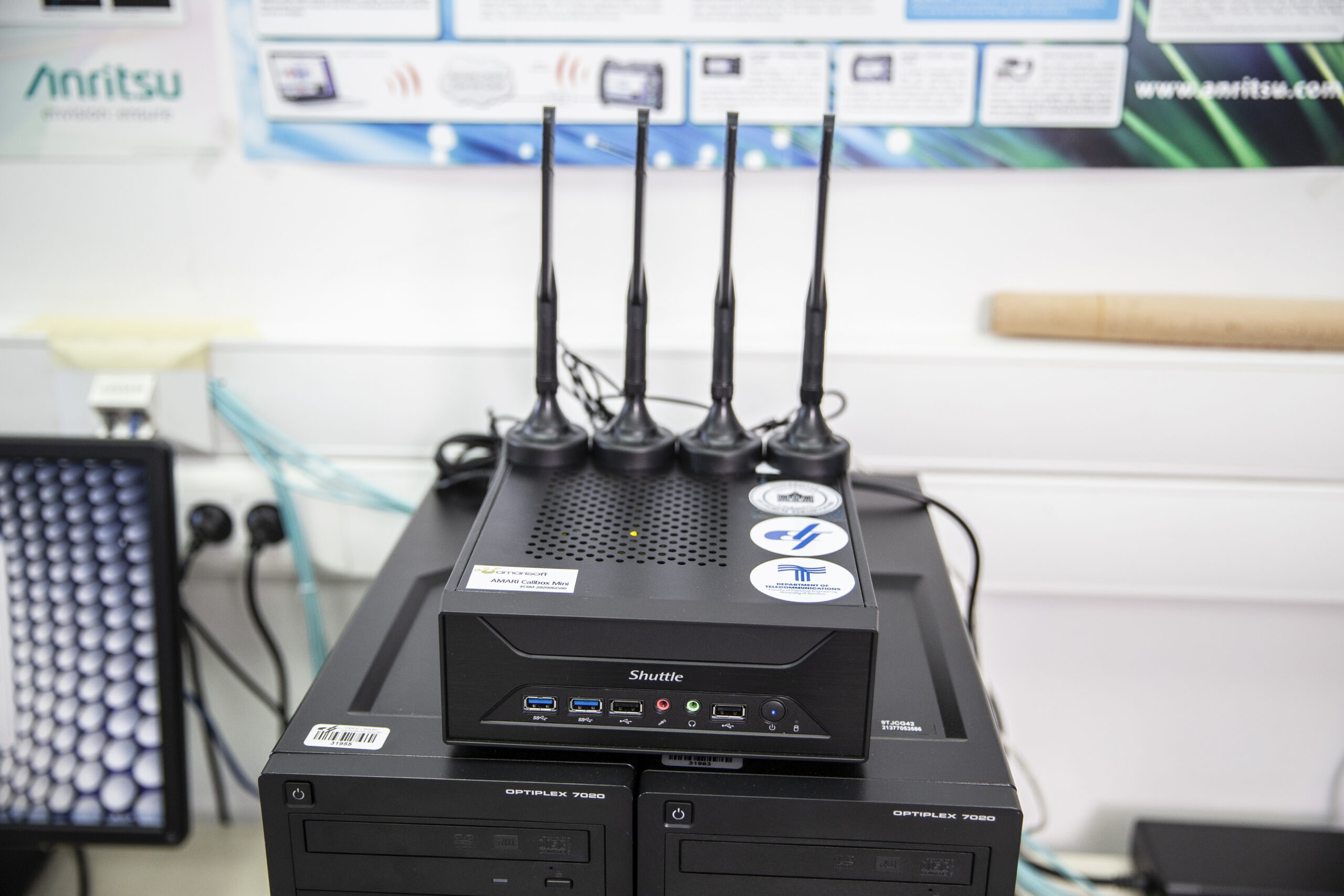
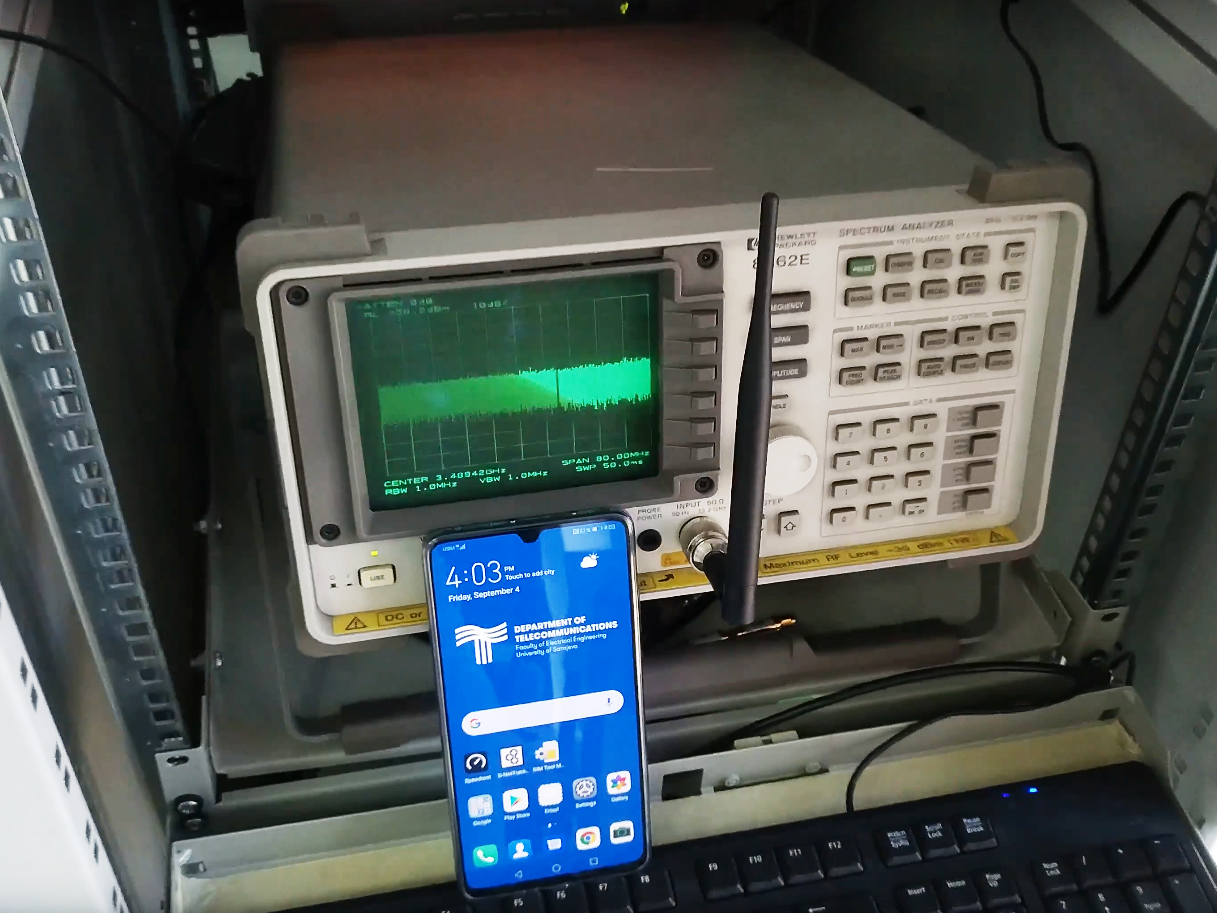
The laboratory also supports practical education in modern mobile and cellular technologies, including LTE and 5G, as well as the development and testing of applications and services for these networks. An integrated network environment enables students to explore fundamental network components, communication establishment, and interactions between user equipment and the network. Developing and testing applications and services in a laboratory mobile network helps students understand their relationship with communication protocols and network infrastructure.
By combining network experiments, application development, and introductory digital hardware design, the laboratory provides a foundation for understanding modern telecommunication systems. The knowledge and skills acquired here prepare students for advanced education and research and development in the Laboratory for Software-Defined Networks.
Personel
Resources
The laboratory is equipped with computer workstations and licences for Altera Quartus Standard, AMD Vivado, and Questa tools for digital hardware development, simulation, and implementation. Switches and routers support network experiments, while Terasic DE2-115 and Alinx AX7201 development boards, featuring mid-range Altera and AMD FPGA devices, support practical FPGA activities. Amarisoft Mini and Classic network-in-the-box solutions provide an integrated environment for working with LTE and 5G network systems and for developing and testing associated applications and services.