



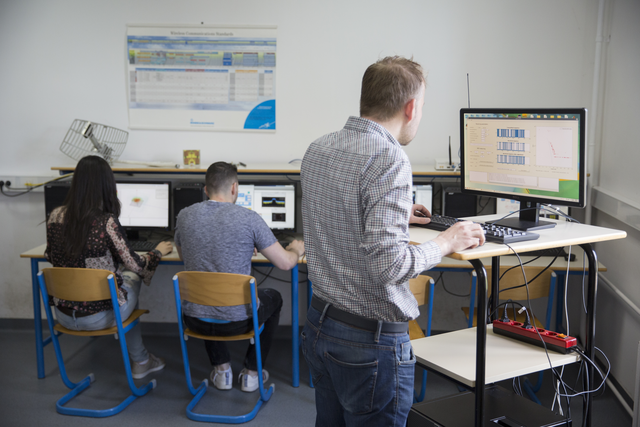
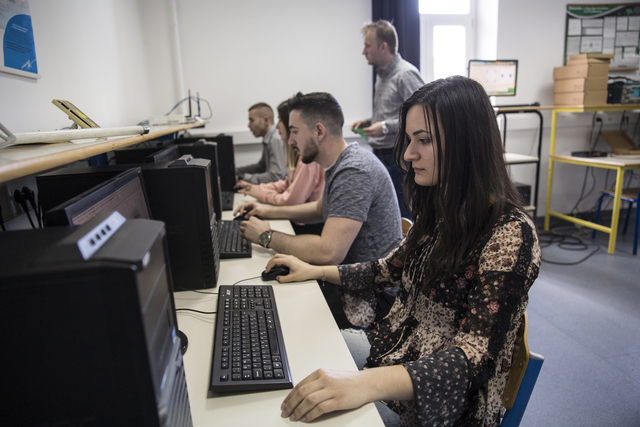
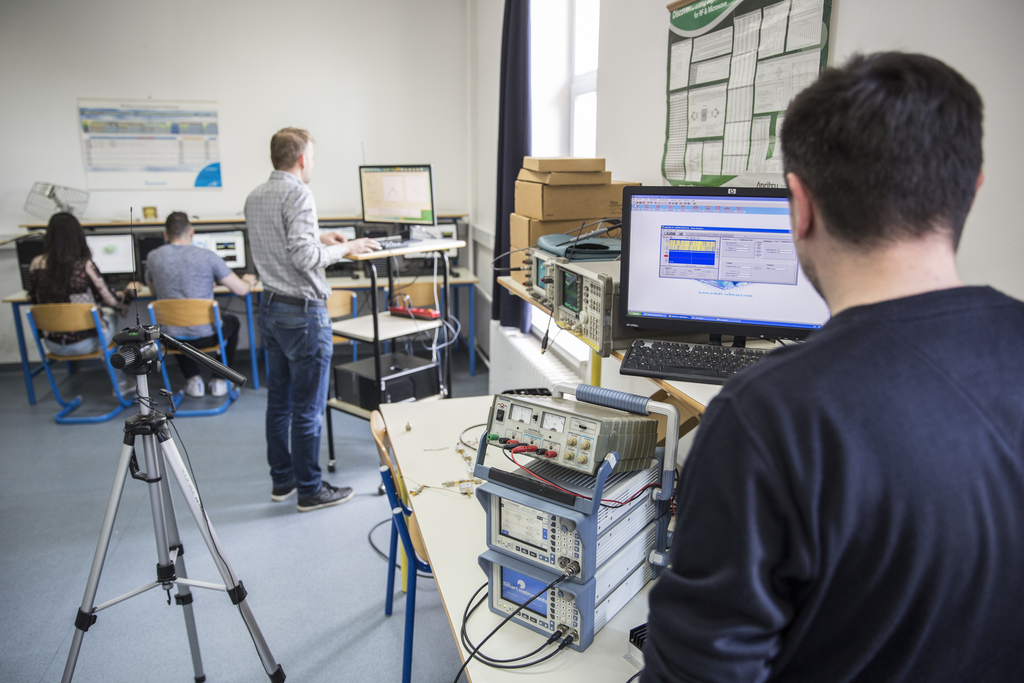
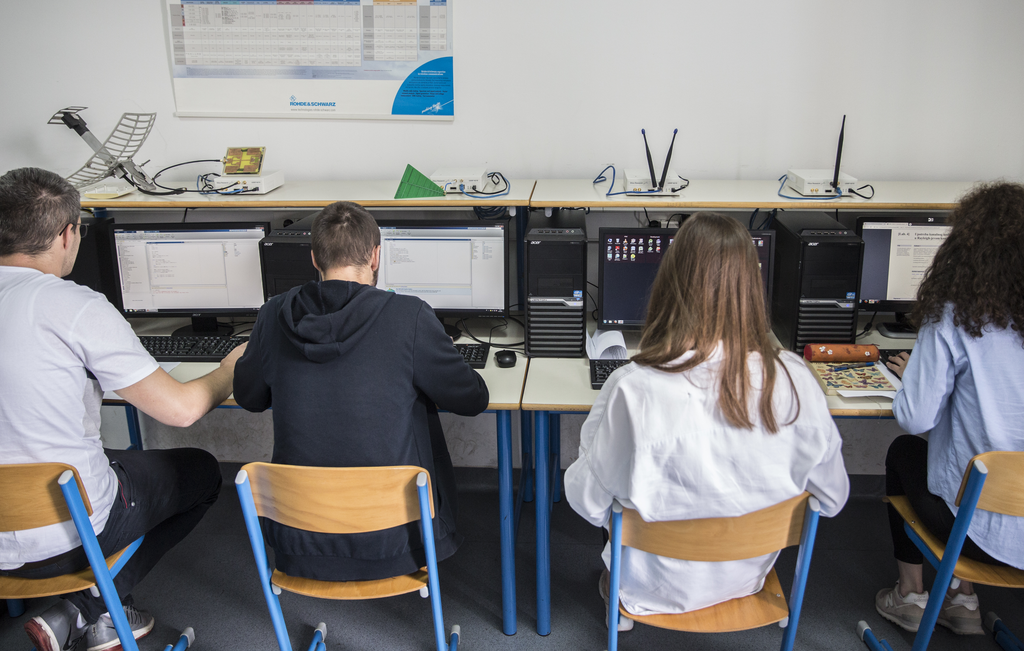
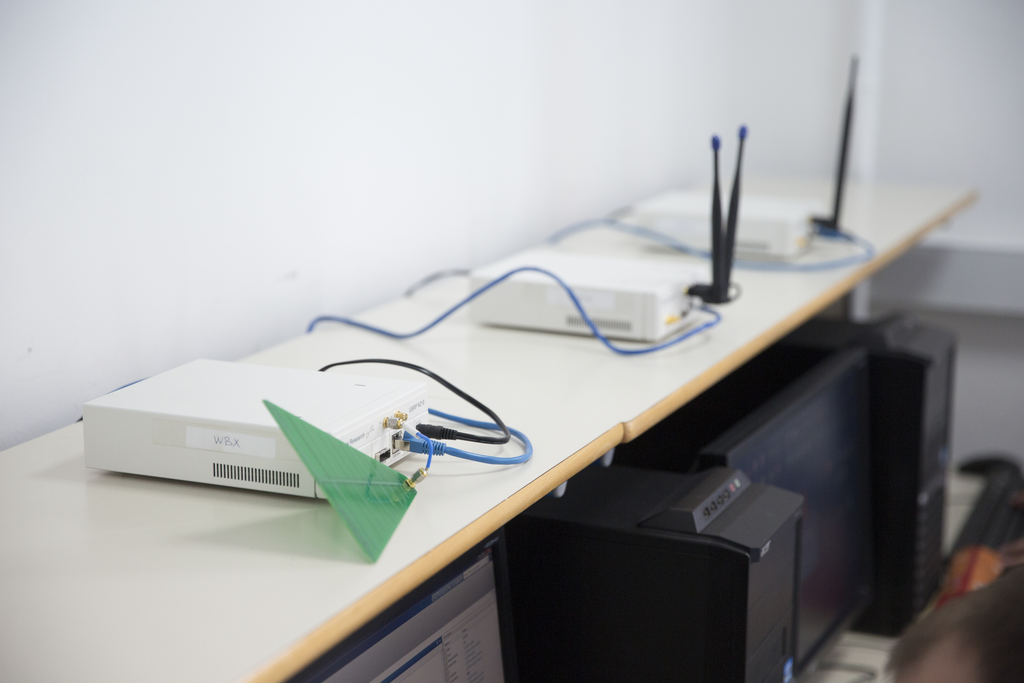
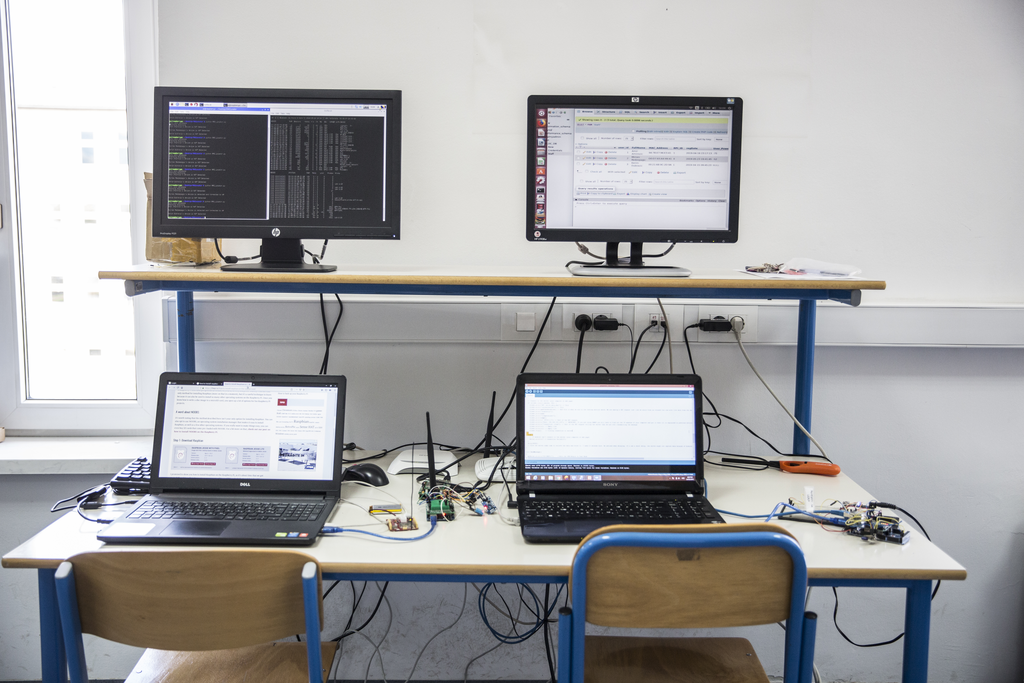
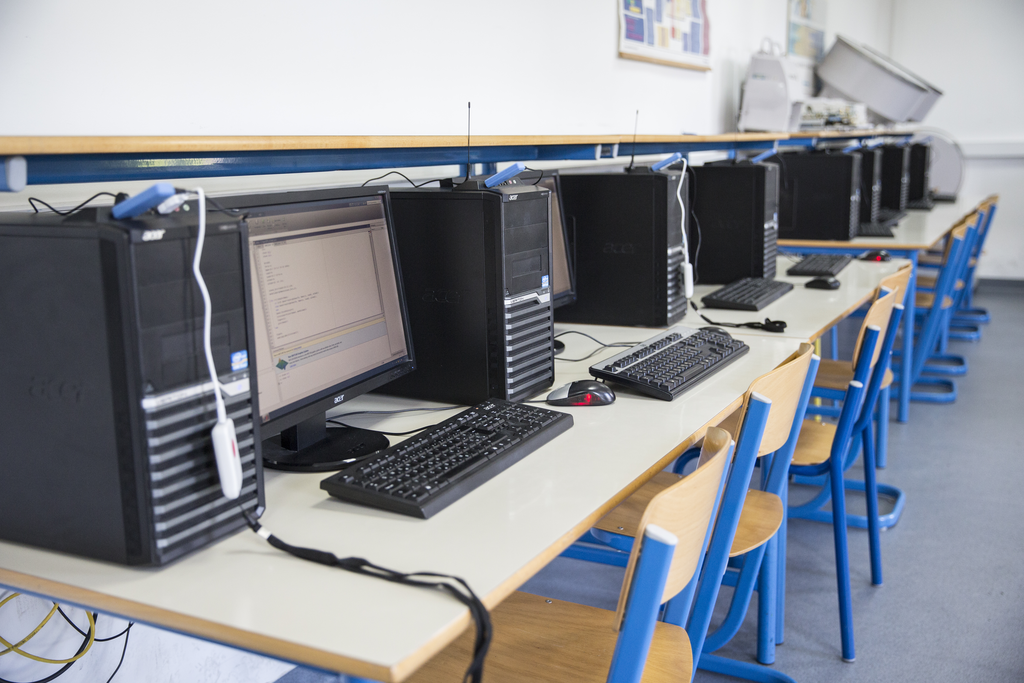
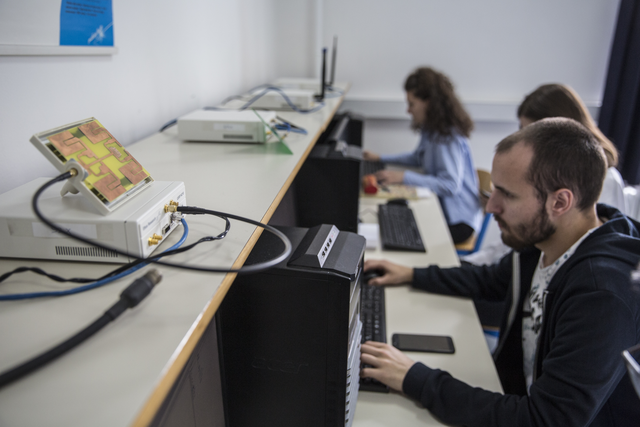
This specific type of laboratory encompasses following aspects of radio telecommunication technologies and provides the opportunity for the students to become familiar with them:\r\n
-
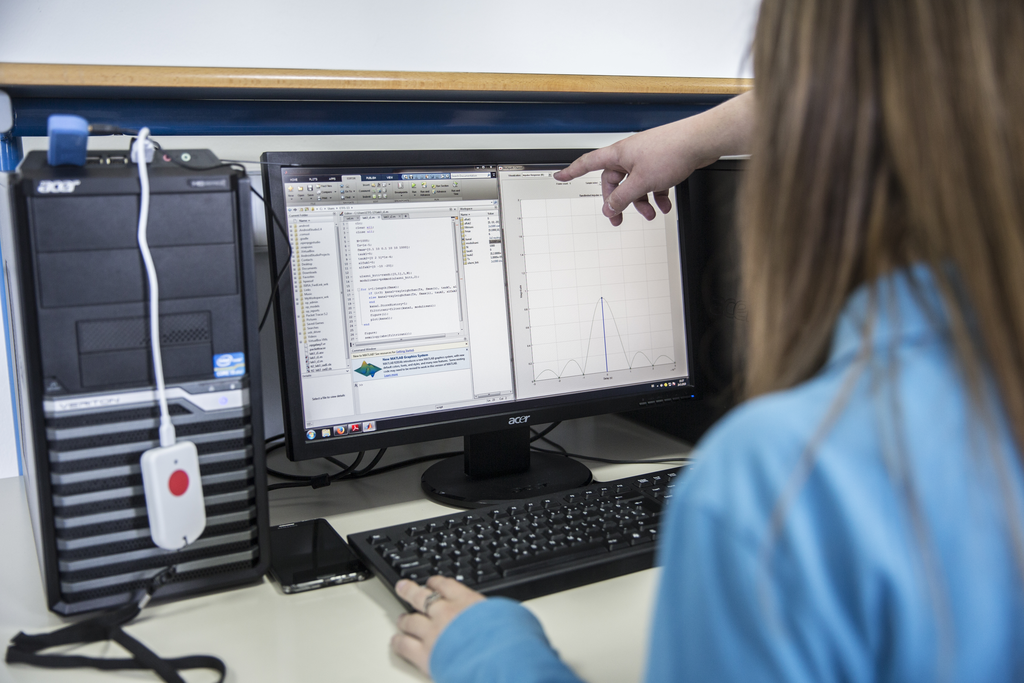
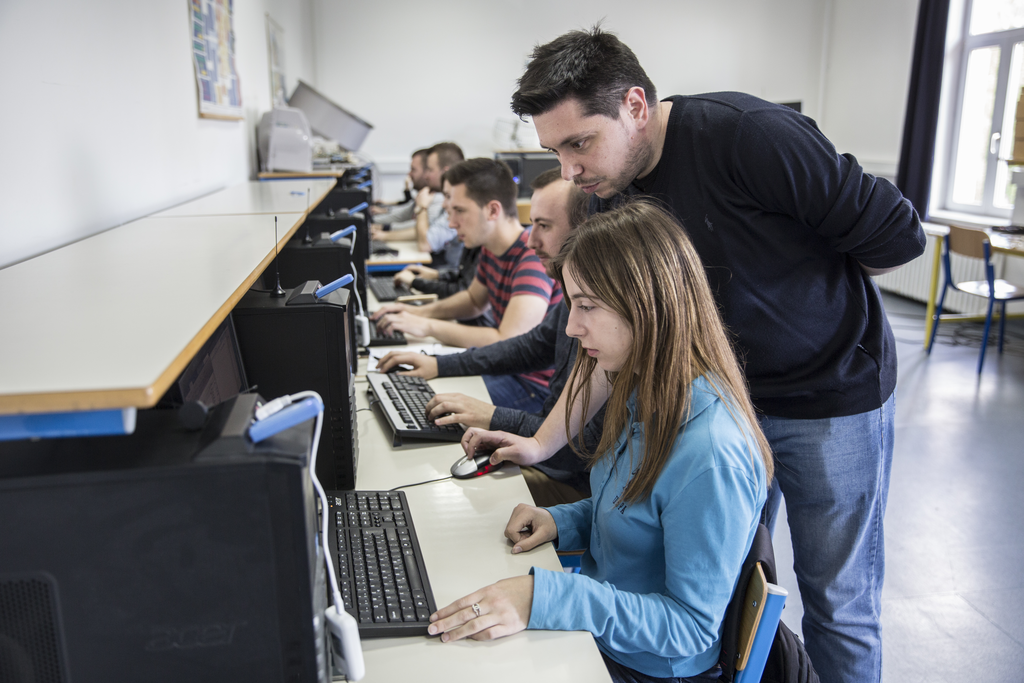
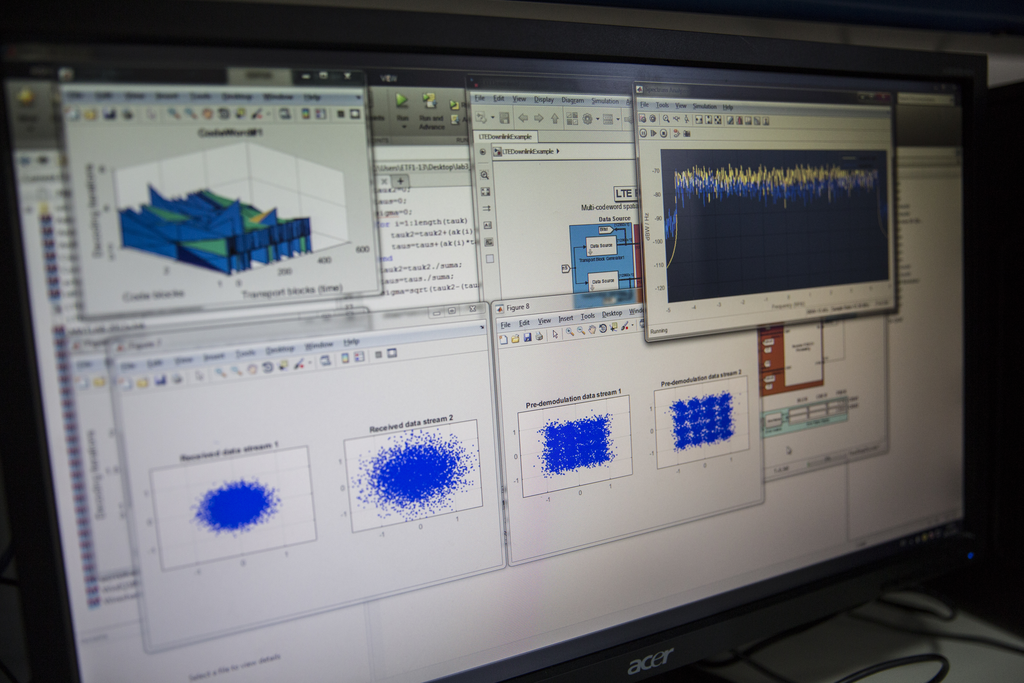
- Radio technology – The laboratory aims to enable practical compound for theoretically gained knowledge (including radio technology, function and operation blocks of transmitter and receiver, modulations, Voltage Feedback (VF) amplifiers and VF oscillators, Phase-Locked Loop (PLL), mixers, signal detectors and radio-link systems). It reflects the possibilities for students to inquire theory and numerical exercises, as well as to design and implement basic radio transceivers using comprehensive software simulation tools.
-
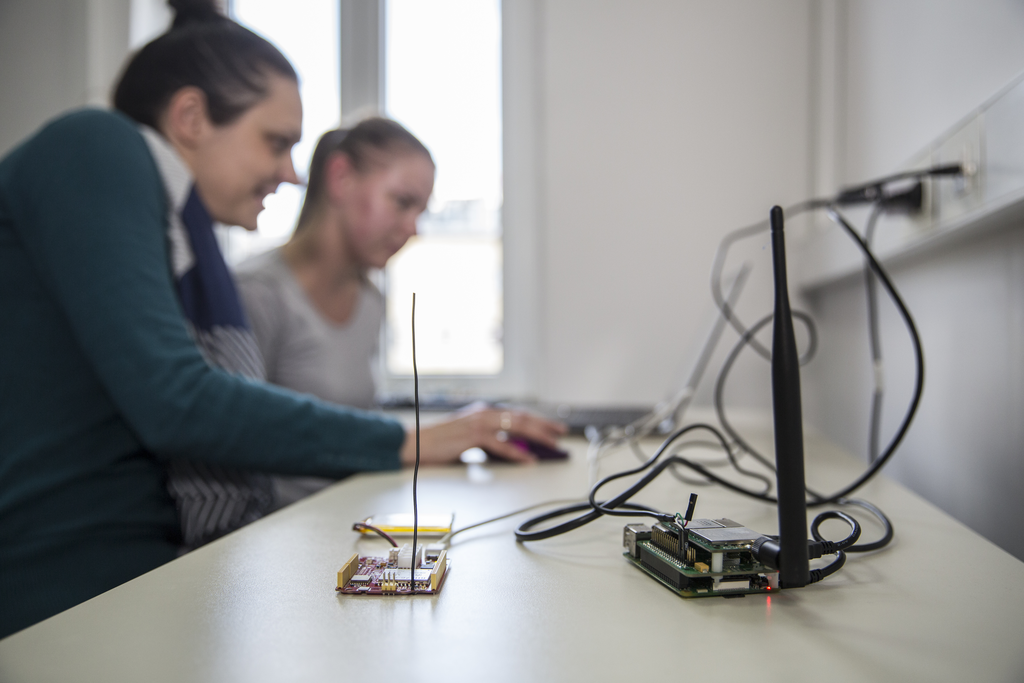
- Microwave technologies – The laboratory provides the following activities:\r\nidentification and classification of microwave communication system elements, classification and formulation of parameters necessary to describe system elements, analysis of processes in communication systems, modelling system elements and application of learned theoretical knowledge during practical synthesis of communication system elements. Laboratory helps students to improve their ability to apply acquired design, implementation, testing and exploitation skills in microwave communication systems.
- Antenna technologies – This field introduces students to the principles of antenna theory based on Maxwell’s equations, antenna features and various types of antennas according to its parameters. Students are expected to apply learned theoretical knowledge in the form of practical antenna synthesis (modelling and simulation) in laboratory and also demonstrate ability to apply acquired antenna design skills in a wider context of designing, structuring and exploitation of systems used within information transfer (communication systems).
-
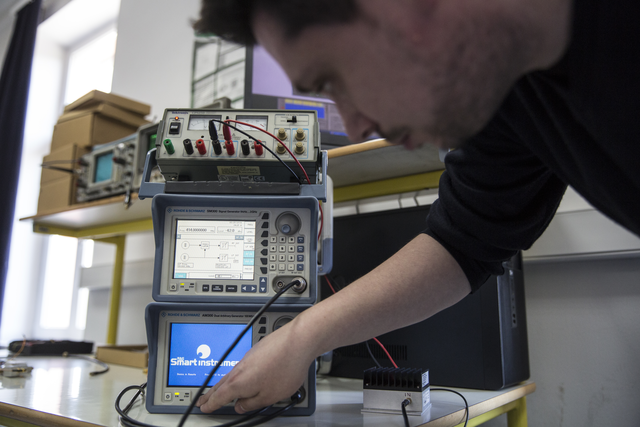
- Electromagnetic compatibility measurement instrumentation – The laboratory exercises are designed to introduce students to practical measurements of several electrical values. Students solve theoretical and\r\npractical problems that they may encounter in the area of measurement of electrical values, use analogue and digital measurement instruments, as well as basic telecommunication measurement devices. Students are also able to work with different laboratory devices, perform fundamental signals measurements in both time and frequency domain, process the measurement results and make the reports of the specific laboratory exercises.
Personel
Resources
News
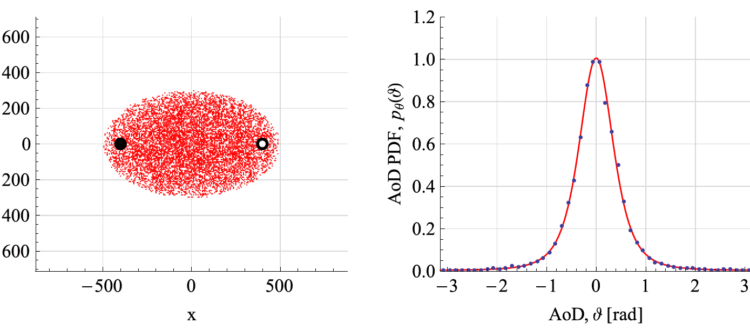
Article published in IEEE Transactions on Vehicular Technology
General Expression for Azimuthal Angle Distribution of Various Elliptical-Shaped Geometry-Based Stochastic Channel Models
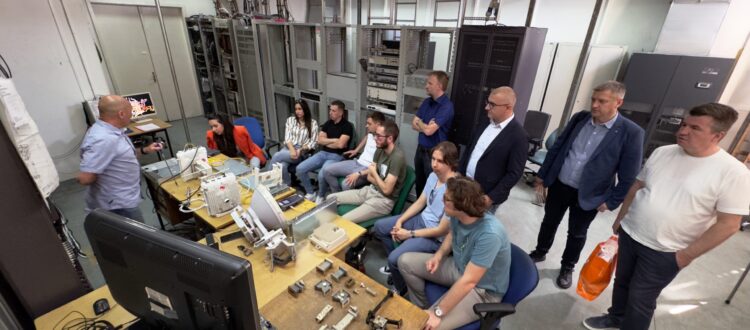
BHTelecom post about the visit of students from the Department of Telecommunications
Third-year students of the Department of Telecommunications had visited BHTelecom as part of their teaching activities in Microwave Communication Systems... Continue Reading
Student visit to MIBO KOMUNIKACIJE Company
Third-year students from the Department of Telecommunications visited the MIBO company in Sarajevo on June 6, 2024, where they learned about the practical aspects of working in the telecommunications industry and the company's technical projects.
An article published in Wireless Networks Journal
A. Maric, P. Njemcevic: Performance analysis of M‑ary RQAM and M‑ary DPSK receivers
over the channels with TWDP fading

An article published in Alexandria Engineering Jounral (Q1)
P. Njemcevic, A. Maric: Gamma-shadowed two-ray with diffuse power composite fading model


